
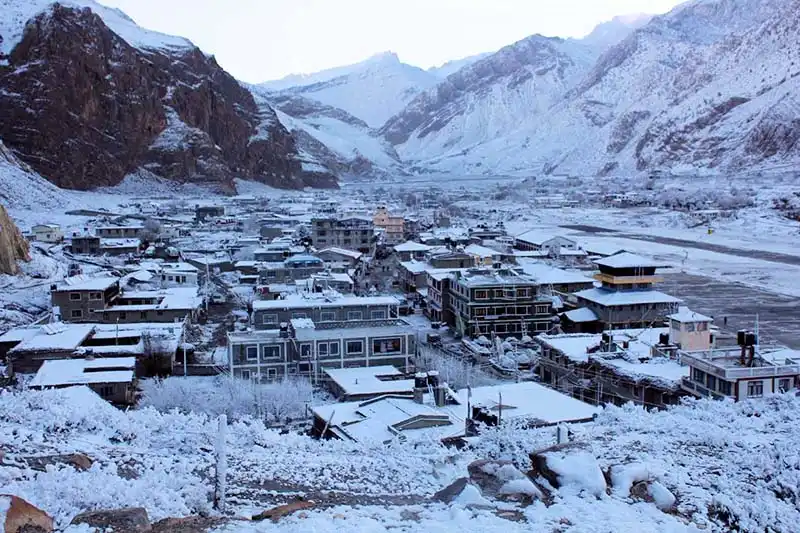
Most people plan their Nepal trek for autumn or spring and witness clear skies and comfortable temperatures. Likewise, some plan in March and April for warmer weather and blooming rhododendrons.
But most rarely look for winter treks in the Himalayas.
Winter season in Nepal starts from December to February. The skies are often clear, mountain views are sharp, and popular trails become noticeably quieter. You might even find yourself enjoying a famous viewpoint without the usual crowd.
Of course, winter trekking comes with a few conditions. Temperatures drop significantly at higher elevations, snowfall can affect trail access, and some teahouses close for the season. So, choosing the right route and preparing properly matter more than ever.
If you’re considering a winter trek in Nepal, here are seven reasons why it might be worth planning your trip during this quieter season.
When Winter Starts in Nepal?
Winter in Nepal generally runs from December to February.
January is usually the coldest month, particularly at higher elevations, while early December and late February tend to have relatively milder conditions.
The experience also depends heavily on altitude. Lower trails below around 2,500 metres can have pleasant daytime temperatures, especially when the sun is out.
Above 3,000 metres, nights can fall well below freezing. At elevations above 4,000 metres, the cold becomes a serious consideration.
That’s why winter trekking isn’t simply about choosing a month. It’s also about choosing a route that matches your experience, equipment and comfort with cold weather.
7 Reasons to Go Winter Trekking in Nepal
1. Enjoy Clearer Mountain Views
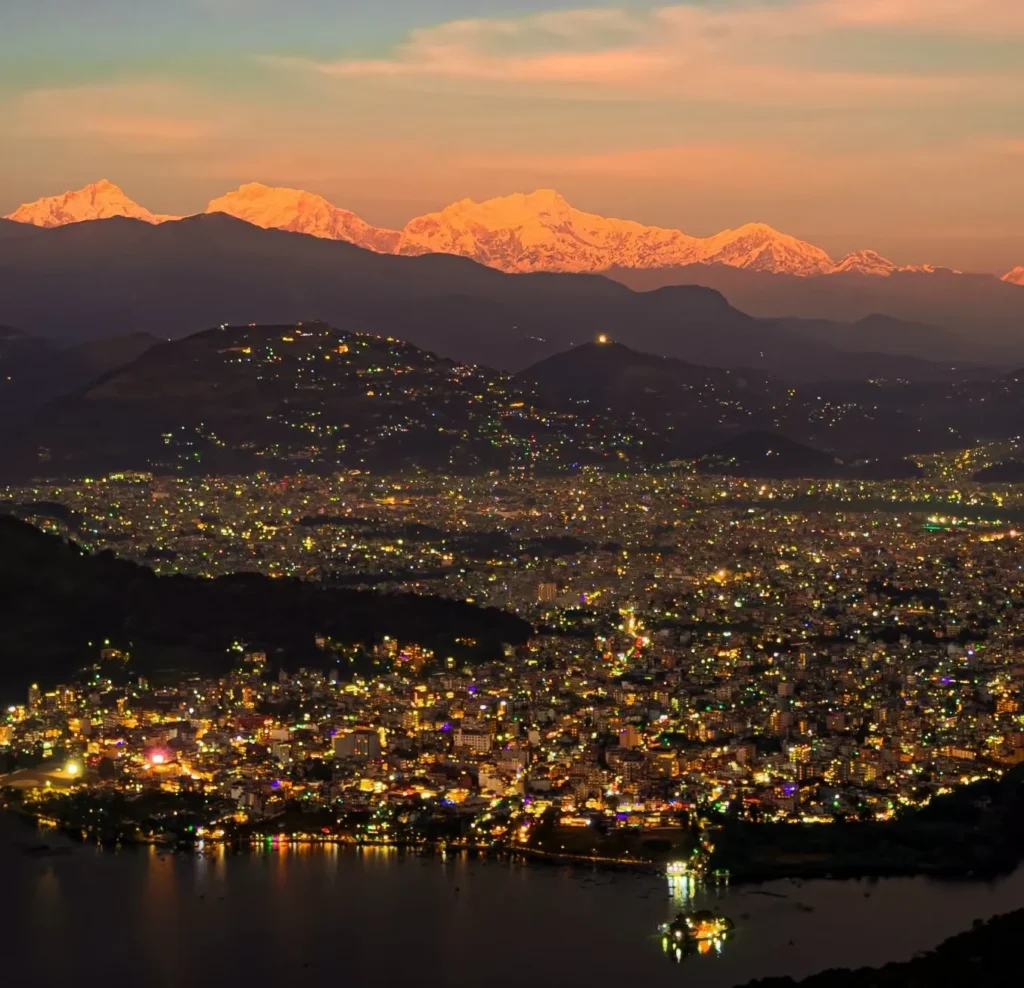
If mountain scenery is one of your main reasons for visiting Nepal, winter has a lot to offer.
December to February is generally dry, with less rain and fewer cloudy days than the monsoon season.
The cold, stable air can create excellent visibility, especially during the morning.
Imagine watching the first sunlight reach the Annapurna range from Poon Hill, or looking up at the snow-covered peaks surrounding Annapurna Base Camp.
On a clear winter morning, the mountain views can be particularly striking.
Weather is never guaranteed, but winter offers plenty of opportunities for those crisp Himalayan panoramas.
2. Walk on Quieter Trails
Autumn and spring attract large numbers of trekkers to Nepal. Popular routes can get busy, especially around well-known viewpoints and teahouses.
Winter is different.
As temperatures drop, many trekkers choose to postpone their trips until spring. This means fewer people on the trails and a quieter atmosphere at places like Ghorepani, Mardi Himal and parts of the Annapurna Base Camp route.
You can take your time at viewpoints, enjoy a more peaceful walk through villages and experience the mountains without constantly encountering other trekking groups.
If you prefer quieter trails over the social atmosphere of peak trekking season, winter may suit you well.
3. Find Easier Teahouse Availability
Fewer trekkers also mean less competition for accommodation.
On popular routes, finding a teahouse room is generally easier during winter than during the busy autumn season.
You may have more flexibility when choosing where to stay, although availability still depends on the route and which lodges remain open.
However, don’t assume every teahouse stays open throughout winter.
Some owners move to lower villages during the coldest months, particularly in higher and more remote areas. Check accommodation availability before setting out.
4. See Snow-Covered Himalayan Landscapes
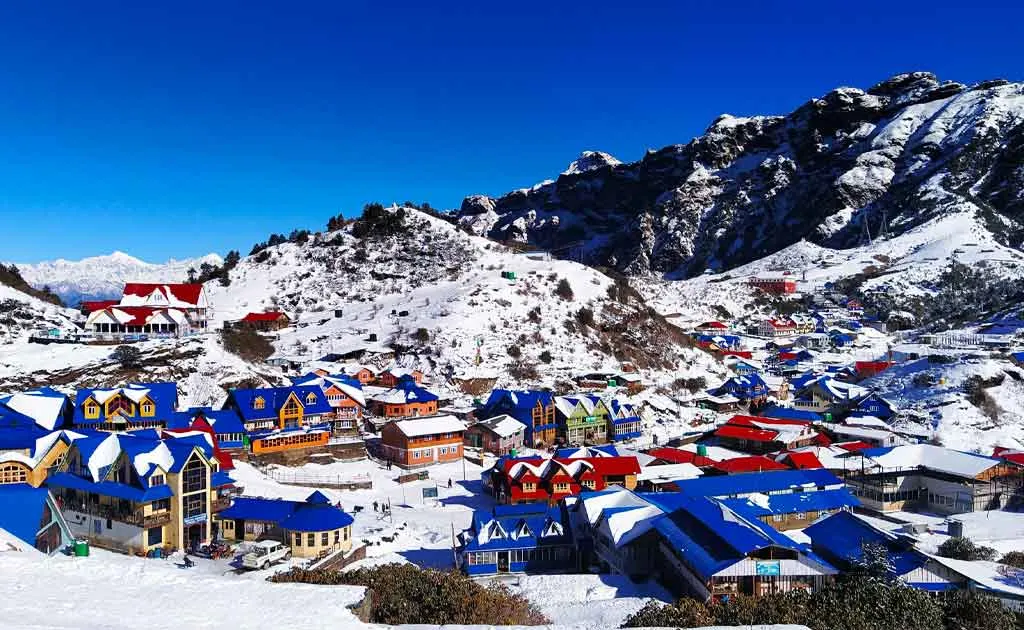
Winter gives familiar trekking routes a different appearance.
Rhododendron forests, terraced fields, village rooftops and mountain ridges can receive a fresh layer of snow.
Higher viewpoints become especially dramatic, with white peaks standing against deep blue skies.
For photography enthusiasts, the combination of fresh snow and low winter sunlight can create excellent conditions. The early morning and late afternoon light can bring out details in the mountains that are harder to capture on cloudy days.
Just remember that snow also changes trail conditions. Shaded sections may remain icy, and some routes become difficult to access after heavy snowfall.
5. Spend More Time Connecting with Local Communities
A trek isn’t only about the mountains.
The villages, teahouses and people you meet along the way are also part of the experience.
During the busy trekking seasons, lodge owners and local staff often have to manage many visitors. Winter is generally quieter, which can leave more room for conversations and a slower experience.
You might spend an evening talking with a teahouse owner over ginger tea, learning about village life or simply enjoying a warm meal after a cold day outside.
These small moments can become some of the most memorable parts of a trek.
6. Experience Nepal’s Winter Festivals
Winter is also a good time to experience some of Nepal’s cultural celebrations.
Depending on your travel dates and destination, you may come across festivals celebrated by different communities.
- Tamu Lhosar: Celebrated by Gurung communities, Tamu Lhosar marks the beginning of their New Year. It usually falls around 30 December and is observed in places across the Annapurna region, including communities in Kaski and Lamjung.
- Maghe Sankranti: Celebrated in January, this festival marks the sun’s movement into Capricorn. Families prepare traditional foods, and some people visit rivers and religious sites for ritual baths.
- Sonam Lhosar: Celebrated by Tamang communities, Sonam Lhosar marks their New Year and is accompanied by traditional music, dancing and cultural gatherings.
7. Combine a Short Trek with Pokhara or Chitwan
You don’t necessarily need to spend your entire holiday trekking.
Winter’s milder conditions in Nepal’s lower regions make it easier to combine a short mountain trek with other experiences. You could spend a few days walking around the Annapurna foothills, return to Pokhara for time by Phewa Lake, and continue to Chitwan for a jungle experience.
For travellers with limited time, this combination offers a chance to experience different sides of Nepal without committing to a long trek.
Pokhara is also a convenient starting point for several winter-friendly routes, including Ghorepani Poon Hill, Mardi Himal and Annapurna Base Camp.
Best Winter Treks in Nepal
Winter trekking isn’t limited to one region or one type of trail. You can choose a short viewpoint trek near Pokhara, explore the quieter valleys of Langtang, or take on a more demanding high-altitude route in the Everest region.
The important thing is to match the trek with your experience, available time and ability to handle cold conditions.
Here are some of the possible winter treks in Nepal:
| Trek | Highest point | Duration | Winter trekking experience |
| Ghorepani Poon Hill | 3,210 m | 4–6 days | One of the most accessible winter options, with classic Annapurna and Dhaulagiri sunrise views. Suitable for beginners and families. |
| Mardi Himal | 3,580 m (High Camp); higher viewpoints around 4,200–4,500 m | 5–7+ days | Quieter ridge walks and close-up views of Machhapuchhre. Snow and ice can affect higher sections. |
| Langtang Valley | 3,870 m (Kyanjin Gompa) | 7–10 days | Snow-covered landscapes, Tamang culture and mountain views. Higher sections can be icy and very cold. |
| Everest View / Panorama | Around 3,860–3,880 m | 5–8 days | A shorter way to experience the Everest region and see peaks such as Everest, Ama Dablam and Lhotse. |
| Annapurna Base Camp | 4,130 m | 7–12 days | A dramatic winter mountain setting, but higher sections require caution after snowfall. |
| Pikey Peak | Around 4,065 m | 5–7 days | A quieter viewpoint trek in the lower Solukhumbu region, known for panoramic Himalayan views. |
| Khopra Ridge | Around 3,660 m | 7–10 days | A less-crowded Annapurna route with wide views of the Annapurna and Dhaulagiri ranges. |
| Tamang Heritage Trail | Around 3,200 m | 6–10 days | A lower-altitude cultural trek through Tamang villages, with comparatively manageable winter conditions. |
| Mohare Danda | Around 3,300 m | 5–6 days | A quieter alternative to Poon Hill, with mountain panoramas and community-run accommodation. |
| Everest Base Camp | 5,364 m | 12–16 days | Possible for experienced trekkers, but extreme cold, reduced lodge services and flight delays require serious preparation. |
Other Winter Trekking Options
If you’re looking for something shorter, more cultural or less crowded, these routes are also worth considering:
- Chisapani–Nagarkot: A lower-altitude hiking option near Kathmandu, suitable for travellers with limited time.
- Helambu Trek: A cultural route near Kathmandu, with lower-altitude sections that can be more manageable in winter.
- Gosaikunda Trek: Offers dramatic high-altitude lake scenery, but winter snow and freezing conditions make it a more demanding option.
- Ruby Valley Trek: A quieter and more remote route, where winter accommodation and trail conditions need careful checking.
- Mulde Peak: A viewpoint option in the Annapurna region that can be combined with nearby trekking routes.
- Lower Annapurna Circuit: You can explore some of the lower valleys, but crossing Thorong La Pass in winter is not something to assume will be possible.
A note on winter conditions: These routes are possible options, not a guarantee that every trail or teahouse will be accessible throughout December, January and February.
Snowfall, local closures and weather can change conditions quickly. Check with a local guide before finalising your itinerary, particularly for routes above 3,500 metres.
Challenges of Winter Trekking and How to Prepare
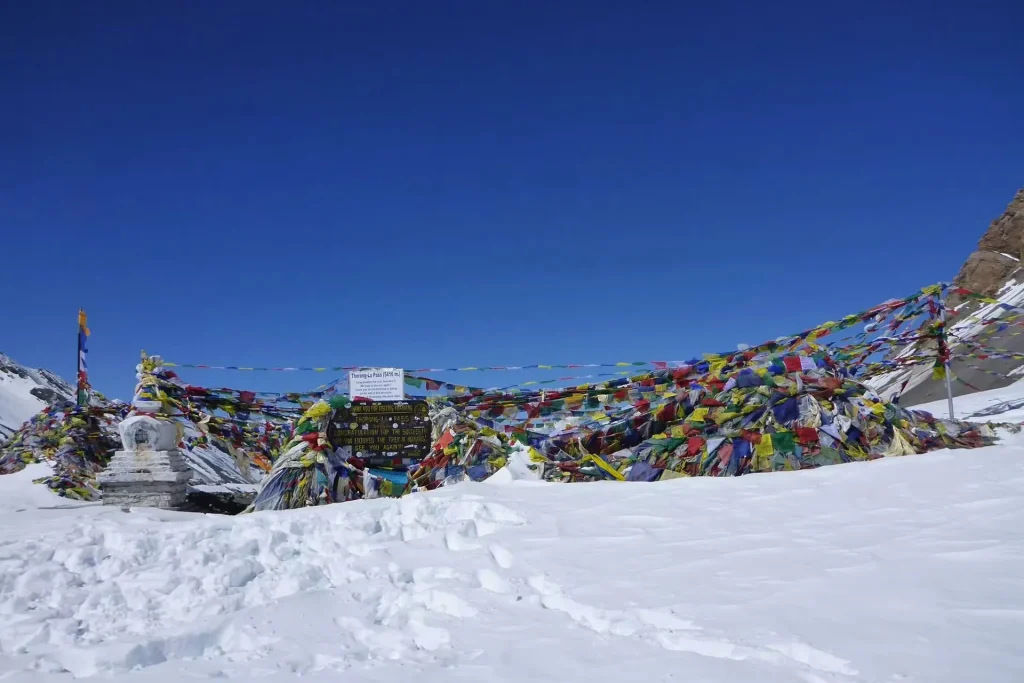
Winter trekking has its advantages, but you shouldn’t underestimate the conditions. A few challenges are worth considering before choosing your route.
Cold Nights
Teahouse bedrooms are generally not heated. Most lodges have a stove in the dining area, but your room can become very cold after sunset.
A suitable sleeping bag, thermal layers and a warm down jacket are essential, especially on routes above 3,000 metres.
Shorter Daylight Hours
Winter days are shorter, and sunlight can disappear behind the mountains well before evening. In many trekking areas, you have roughly 10 hours of daylight.
Start early, plan shorter walking days and aim to reach your teahouse before it gets dark.
Snow and Icy Trails
Snow can cover higher sections, while shaded parts of the trail may remain icy throughout the day.
Microspikes and trekking poles can improve your stability. If snowfall is heavy or the trail becomes unsafe, don’t push ahead just to follow your original itinerary.
Closed Teahouses
Some teahouses close during winter, particularly on higher or less-travelled routes.
This can affect where you eat, sleep and plan your daily walking distances. A local guide can help you identify which lodges are operating and adjust the route accordingly.
Flight Delays
Flights in Nepal can be affected by fog, poor visibility and changing weather. This is especially important for treks involving flights to and from Lukla.
Keep extra days in your itinerary rather than scheduling your international departure immediately after your trek.
Altitude Sickness
Cold weather doesn’t reduce the risk of altitude sickness. You still need to ascend gradually, allow time for acclimatisation and pay attention to symptoms such as headache, nausea and dizziness.
If symptoms worsen, don’t continue ascending. Seek appropriate medical advice and follow your guide’s safety recommendations.
Further Read: Annapurna Circuit Trek Packing List 2026/27: What to Pack & What to Skip
Winter Trekking Tips for Nepal
A little preparation can make a big difference to your winter trekking experience.
- Choose your route carefully: If this is your first winter trek, consider Ghorepani Poon Hill, Mardi Himal or another route suited to your experience and fitness.
- Hire a licensed local guide: Local knowledge becomes particularly valuable when snowfall affects trails or teahouse availability.
- Start early and finish early: Plan your walking hours around daylight, rather than trying to cover long distances late in the afternoon.
- Stay hydrated: Cold weather can make you less aware of how much water you’re drinking. Carry a refillable bottle or thermos and drink regularly.
- Protect your electronics: Cold temperatures drain batteries quickly. Keep your phone, camera batteries and power bank in an inner pocket.
- Check your insurance: Make sure your policy covers trekking at your planned maximum altitude and helicopter evacuation.
- Stay flexible: Snowfall and weather can change your itinerary. Be prepared to adjust your route when conditions require it.
Winter Trekking Packing List
Packing for winter means preparing for both sunny walking conditions and freezing nights.
| Item | Why you need it |
| Four-season sleeping bag | A bag rated to around -15°C or lower for many winter routes; around -20°C for Everest Base Camp |
| Down jacket | Keeps you warm during cold mornings, evenings and breaks |
| Waterproof and windproof shell | Protects you from wind, snow and changing weather |
| Thermal base layers | Helps retain body heat |
| Fleece mid-layer | Adds warmth while walking |
| Insulated gloves and warm hat | Protects your hands and head |
| Buff or neck warmer | Provides extra protection from cold wind |
| Waterproof trekking boots | Helps with snow, wet ground and icy sections |
| Warm wool socks | Keeps your feet comfortable in cold conditions |
| Microspikes and trekking poles | Useful on icy and snowy trails |
| Headtorch and spare batteries | Important for early starts and low-light conditions |
| UV sunglasses and sunscreen | Snow glare and strong mountain sunlight can affect your eyes and skin |
| Lip balm and moisturiser | Helps protect against dry winter air |
| Refillable bottle and purification tablets | Helps you carry and treat drinking water |
Plan Your Winter Trek from Pokhara
Winter trekking in Nepal isn’t about choosing the coldest or highest route. It’s about finding a trek that matches the season, preparing for the conditions and giving yourself enough flexibility along the way.
At Hi Nepal Travels & Treks, we’re based in Pokhara, making it convenient to plan treks in the Annapurna region. Our local team can help you choose a suitable winter route, arrange a licensed guide and organise the necessary permits.
Whether you’re interested in the Ghorepani Poon Hill Trek, Mardi Himal or Annapurna Base Camp, we can help you plan around your travel dates and trekking experience.
Thinking about trekking in Nepal this winter? Get in touch with Hi Nepal Travels & Treks and start planning your journey from Pokhara.